
Health
Leukemia Symptoms in Kids: Early Warning Signs Every Parent Should Know

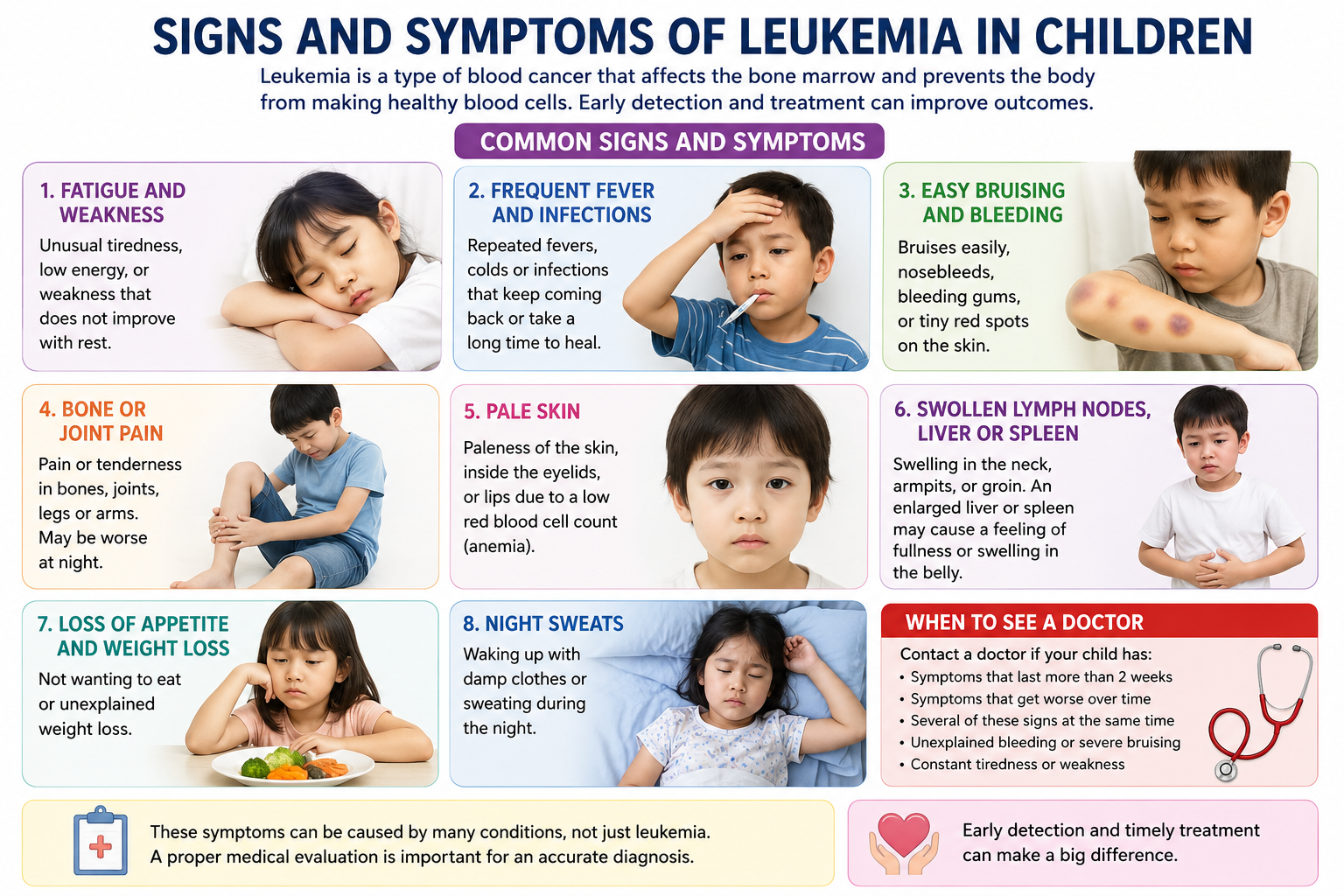
When discussing Leukemia Symptoms in Kids, it is important to remember that leukemia is the most common type of childhood cancer, but it remains a rare disease overall. One of the greatest challenges for parents is that its early signs often resemble common childhood illnesses such as the flu, viral infections, or even normal growing pains. A child with leukemia may seem unusually tired, develop frequent or persistent fevers, bruise more easily than expected, or complain of pain in their legs or joints. Because these symptoms are common in many childhood illnesses, they can be difficult to recognize as a sign of something more serious.
The reassuring news is that the vast majority of children who experience fever, bruising, or fatigue do not have leukemia. In most cases, these symptoms are caused by common and temporary childhood conditions. However, if several symptoms occur together, persist for an extended period, or continue to worsen, it is important to seek medical evaluation. A healthcare professional can determine the underlying cause and, if necessary, begin appropriate treatment as early as possible.
Advances in modern medicine have greatly improved the outlook for children diagnosed with leukemia. Many children with certain types of leukemia respond very well to treatment and go on to live healthy, fulfilling lives. Understanding the potential warning signs is not intended to create fear but to help parents recognize when symptoms may require closer attention and prompt medical advice.
Medical Disclaimer: This article is intended for general educational purposes only and should not be considered a substitute for professional medical advice, diagnosis, or treatment. If your child has persistent, worsening, or concerning symptoms, consult a qualified healthcare provider for a thorough evaluation.
What Is Leukemia in Children?
Leukemia is a type of cancer that starts in the bone marrow, the soft tissue found inside bones where new blood cells are produced. Under normal circumstances, the bone marrow makes healthy red blood cells, white blood cells, and platelets that work together to keep the body functioning properly. Red blood cells carry oxygen throughout the body, white blood cells help fight infections, and platelets stop bleeding by helping blood clot.
In children with leukemia, the bone marrow begins producing abnormal white blood cells. These cells do not protect the body from infections the way healthy white blood cells do. Instead, they grow rapidly and crowd out healthy blood cells. As the number of normal blood cells decreases, children may develop symptoms such as fatigue, frequent infections, easy bruising, or unusual bleeding.
The two main forms of childhood leukemia are acute lymphoblastic leukemia (ALL) and acute myeloid leukemia (AML). According to the National Cancer Institute, acute lymphoblastic leukemia is the most common type in children, accounting for about three out of every four childhood leukemia cases. Both forms require prompt medical treatment, but advances in pediatric cancer care have greatly improved survival rates over the past several decades.
Although hearing the word “cancer” is frightening for any family, it is important to remember that childhood leukemia is highly treatable in many cases. Treatment plans are personalized for each child and may include chemotherapy, targeted therapies, immunotherapy, or stem cell transplantation, depending on the specific diagnosis.
Common Leukemia Symptoms in Kids
The symptoms of leukemia develop because the abnormal blood cells interfere with the body’s ability to produce enough healthy blood cells. Since blood cells have many different jobs, leukemia can affect several parts of the body at the same time. Some children develop only a few symptoms, while others experience several that gradually become more noticeable.
One of the most common early signs is ongoing tiredness. A child who was previously active may suddenly seem exhausted after simple activities or want to sleep much more than usual. Parents may notice that their child no longer has the same energy for school, sports, or playing with friends. This type of fatigue is different from normal tiredness because it often does not improve with rest.
Frequent fevers are another symptom that may appear. Leukemia affects the body’s infection-fighting cells, making it harder to defend against bacteria and viruses. As a result, children may develop repeated infections or fevers that seem to return without a clear explanation. Some infections may also take longer than expected to improve.
Many children with leukemia bruise more easily than usual. Bruises may appear after very minor bumps or even without a remembered injury. Some children also develop frequent nosebleeds, bleeding gums while brushing their teeth, or tiny red or purple spots under the skin known as petechiae. These changes occur because the body is producing fewer healthy platelets, which are responsible for helping blood clot.
Bone and joint pain is another symptom that parents sometimes notice. A child may complain that their legs hurt, especially at night, or refuse to walk because of discomfort. Younger children may suddenly want to be carried more often or avoid activities they previously enjoyed. This pain develops because leukemia cells can collect inside the bone marrow, creating pressure within the bones.
Other symptoms may include pale skin caused by anemia, swollen lymph nodes in the neck or under the arms, loss of appetite, unexplained weight loss, and swelling of the abdomen due to an enlarged liver or spleen. While these symptoms do not necessarily mean a child has leukemia, they should not be ignored if they continue, become worse, or occur together.
Because these warning signs are similar to many common childhood illnesses, doctors do not diagnose leukemia based on symptoms alone. Instead, they use physical examinations, blood tests, and other medical investigations to determine the underlying cause.
Fatigue and Weakness
Fatigue is often one of the earliest symptoms of childhood leukemia. While every child becomes tired after a busy day, leukemia-related fatigue tends to be more noticeable and persistent. A child may wake up feeling tired, have difficulty concentrating at school, or lose interest in games and activities they usually enjoy. Parents sometimes notice that their child becomes exhausted after only a small amount of physical activity.
This symptom usually develops because leukemia reduces the number of healthy red blood cells, leading to anemia. Red blood cells carry oxygen from the lungs to the body’s tissues. When there are too few healthy red blood cells, muscles and organs receive less oxygen than they need, making children feel weak and lacking in energy.
Some children with anemia also appear unusually pale, become short of breath while running or climbing stairs, or complain of dizziness. Younger children may become irritable or need more naps than usual. These symptoms can also occur with iron deficiency and many other childhood conditions, so they are not specific to leukemia. However, when persistent fatigue occurs alongside fever, bruising, frequent infections, or bone pain, it is important to arrange a medical evaluation.
Parents should remember that occasional tiredness is a normal part of childhood, especially during periods of rapid growth, busy school schedules, or after viral illnesses. The concern arises when fatigue is severe, lasts for an extended period, or clearly interferes with a child’s daily routine. If your child’s energy level has changed significantly without an obvious reason, a healthcare provider can perform the necessary examinations and tests to determine the cause.
Frequent Fever and Infections
Children naturally experience colds, ear infections, sore throats, and other illnesses as their immune systems develop. However, leukemia can make these infections happen more often or make them harder for the body to fight. This is because the abnormal white blood cells produced in leukemia do not protect the body in the same way healthy white blood cells do.
A child with leukemia may have repeated fevers that return soon after getting better or infections that seem to linger despite appropriate treatment. Parents might notice recurring ear infections, persistent sore throats, chest infections, or mouth sores that take longer than expected to heal. In some cases, the fever may not have an obvious cause at all.
It is important to remember that repeated infections alone do not mean a child has leukemia. Young children commonly catch several viral illnesses each year, especially if they attend daycare or school. However, frequent infections combined with unusual bruising, ongoing fatigue, pale skin, swollen lymph nodes, or bone pain deserve prompt medical attention.
Doctors evaluate these symptoms by considering the child’s overall health, medical history, physical examination, and blood test results. Seeking medical advice early allows healthcare professionals to identify whether the symptoms are related to a common childhood illness or whether further testing is needed to rule out more serious conditions such as leukemia.
Easy Bruising and Unusual Bleeding
Children often come home with bruises after playing outside, riding bicycles, or taking part in sports. In most cases, these bruises are completely normal. However, leukemia can cause bruising that appears more easily than expected or develops without a clear injury. Parents may notice large bruises after minor bumps or find bruises in places where the child does not remember getting hurt.
This happens because leukemia can reduce the number of healthy platelets, the blood cells responsible for helping blood clot. When platelet levels are low, the body has a harder time stopping bleeding.
Besides bruising, some children may experience frequent nosebleeds, bleeding gums while brushing their teeth, or small red or purple spots under the skin called petechiae. These tiny spots are caused by minor bleeding from very small blood vessels. While petechiae can occur for reasons other than leukemia, they should always be evaluated by a healthcare professional, especially if they appear together with fever, tiredness, or other concerning symptoms.
Parents should not assume that every bruise is a warning sign of leukemia. Active children naturally develop bruises during everyday play. The difference is when bruising becomes frequent, unusually severe, or is accompanied by unexplained bleeding and other persistent symptoms.
Bone and Joint Pain
Bone pain is another symptom that may occur in children with leukemia. Since leukemia begins in the bone marrow, the abnormal blood cells can build up inside the bones and create pressure, leading to discomfort. Children often describe this as aching in their legs, arms, hips, or back.
The pain may become more noticeable during the evening or at night, making it difficult for the child to sleep comfortably. Younger children may refuse to walk, limp without an obvious injury, or ask to be carried more often than usual. Older children may avoid sports or complain that their joints hurt after activities they previously enjoyed.
Growing pains are very common during childhood and are usually harmless. However, growing pains generally improve over time and are not typically associated with fever, bruising, weight loss, or persistent fatigue. If bone pain is severe, continues for several days, or occurs along with other symptoms discussed in this article, parents should arrange a medical evaluation.
Pale Skin, Loss of Appetite, and Weight Loss
A child with leukemia may gradually appear paler than usual. This often happens because the body is not producing enough healthy red blood cells, leading to anemia. Parents may notice that the child’s face looks unusually pale or that the inside of the eyelids and lips have lost their normal pink color.
Anemia can also cause dizziness, weakness, headaches, and shortness of breath during physical activity. These symptoms are not unique to leukemia and can occur with iron deficiency or other medical conditions. Blood tests help doctors determine the underlying cause.
Some children also lose interest in eating or begin losing weight without trying. In certain cases, an enlarged spleen may create a feeling of fullness after eating only a small amount of food. Although temporary appetite changes are common during childhood illnesses, unexplained weight loss or ongoing poor appetite should be discussed with a healthcare provider.
Swollen Lymph Nodes, Liver, or Spleen
Leukemia cells can collect in different parts of the body, including the lymph nodes, liver, and spleen. This may cause lymph nodes in the neck, under the arms, or in the groin to become enlarged. Swollen lymph nodes are common during infections, but they usually shrink once the illness improves. If swelling continues, grows larger, or occurs together with other warning signs, further medical evaluation may be needed.
Some children develop an enlarged liver or spleen, which can make the abdomen appear swollen or feel uncomfortable. Parents may notice that their child complains of fullness after eating only a small meal or reports discomfort beneath the ribs. These symptoms can have many different causes, so proper medical testing is necessary before reaching any conclusions.
Summarized table of Sign or Symptoms
| Sign or Symptom | What Parents May Notice | Why It Can Happen |
| Fatigue and weakness | Unusual tiredness, low energy, more sleep, or less interest in play | A low red blood cell count may reduce oxygen delivery to the body |
| Frequent fever | Repeated fever or fever without a clear cause | Abnormal white blood cells may not fight infection properly |
| Frequent infections | Infections that return often or take longer to improve | Leukemia can interfere with normal immune function |
| Easy bruising | Bruises after minor bumps or bruises without a clear injury | A low platelet count can make bruising easier |
| Unusual bleeding | Frequent nosebleeds, bleeding gums, or cuts that bleed longer | Reduced platelets can affect normal blood clotting |
| Petechiae | Tiny red or purple spots on the skin | Small amounts of bleeding may occur under the skin |
| Bone or joint pain | Pain in the legs, arms, hips, back, or joints, sometimes worse at night | Leukemia cells may build up in the bone marrow |
| Pale skin | Skin, lips, or the inside of the eyelids may look paler than usual | Anemia may develop when healthy red blood cells decrease |
| Swollen lymph nodes | Painless swelling in the neck, armpits, or groin | Leukemia cells can collect in the lymph nodes |
| Swollen abdomen | Fullness, discomfort, or swelling in the belly | The liver or spleen may become enlarged |
| Loss of appetite | Eating less or feeling full after a small meal | An enlarged spleen or general illness may reduce appetite |
| Unexplained weight loss | Weight loss without changes in diet or activity | Ongoing illness may affect appetite and body weight |
| Shortness of breath or dizziness | Breathlessness during normal activity, headaches, or dizziness | These may be linked to anemia |
| Night sweats | Waking with damp clothes or bedding | Night sweating can occur with serious illnesses, including leukemia |
Important: These symptoms can also be caused by many common childhood conditions. Having one or more of them does not mean a child has leukemia. Parents should contact a qualified healthcare professional when symptoms persist, worsen, or appear together.
Why Leukemia Symptoms Can Be Mistaken for Other Illnesses
One reason leukemia can be difficult to recognize is that many of its symptoms are also seen in common childhood illnesses. Fever often accompanies viral infections, fatigue may occur after poor sleep or the flu, bruises are common in active children, and bone pain is sometimes mistaken for growing pains.
Because these symptoms overlap with many less serious conditions, doctors do not diagnose leukemia based on symptoms alone. Instead, they look at the child’s overall health, how long the symptoms have lasted, whether multiple symptoms are occurring together, and the results of laboratory tests. This careful approach helps ensure an accurate diagnosis while avoiding unnecessary worry.
What Causes Leukemia in Children?
Researchers still do not know exactly why most children develop leukemia. Current evidence suggests that the disease begins when changes occur in the DNA of developing blood cells inside the bone marrow. These changes allow abnormal cells to grow and multiply instead of developing into healthy blood cells.
In most cases, these genetic changes happen by chance and cannot be linked to anything a parent did or did not do. Families often wonder whether diet, everyday activities, or minor illnesses caused leukemia, but trusted medical organizations emphasize that there is usually no known cause in an individual child.
Risk Factors
Most children diagnosed with leukemia have no identifiable risk factors. However, researchers have identified a few conditions that may slightly increase the likelihood of developing the disease. These include certain inherited genetic conditions, such as Down syndrome, rare inherited disorders that affect DNA repair, previous treatment with chemotherapy or radiation for another cancer, and exposure to unusually high levels of radiation.
Even when these factors are present, the overall risk remains low. Likewise, many children who develop leukemia have none of these known risk factors. This is why leukemia cannot usually be prevented through lifestyle changes alone.
How Doctors Diagnose Leukemia
If a doctor suspects leukemia, they will begin by asking about the child’s symptoms and medical history before performing a physical examination. Blood tests are usually the first step and often include a complete blood count, which measures the numbers of red blood cells, white blood cells, and platelets.
If the blood test results suggest leukemia, additional tests may be needed. A bone marrow aspiration and biopsy allow doctors to examine the bone marrow directly and confirm the diagnosis. Genetic and molecular tests help identify the exact type of leukemia, which is important because treatment plans vary depending on the specific diagnosis.
In some situations, imaging tests such as X-rays or other scans may also be used to check for complications or evaluate certain symptoms. Every child does not need the same tests, and the healthcare team will decide which investigations are appropriate.
Treatment Options
Treatment for childhood leukemia depends on the type of leukemia, the child’s age, overall health, and other medical factors. Chemotherapy remains the main treatment for many children because it destroys leukemia cells throughout the body. Some children may also receive targeted therapy or immunotherapy, which work in different ways to attack cancer cells while protecting healthy cells as much as possible.
In certain situations, doctors may recommend a stem cell transplant, particularly if the leukemia does not respond well to initial treatment or returns after remission. Radiation therapy is used less often than chemotherapy but may be appropriate in selected cases.
Treatment is usually provided by a team of pediatric cancer specialists that may include pediatric oncologists, nurses, pharmacists, psychologists, nutrition specialists, and social workers. Families receive guidance throughout treatment so they understand each step of the care plan.
Can Leukemia Be Prevented?
There is currently no proven way to prevent most cases of childhood leukemia. Because the exact cause is unknown in the majority of children, parents should not blame themselves if their child is diagnosed with the disease.
The best approach is to pay attention to persistent or unusual symptoms and seek medical advice when something does not seem right. Regular healthcare visits also help monitor a child’s growth and overall well-being, although routine screening for leukemia is not recommended for healthy children without symptoms.
When Should You Contact a Doctor?
Parents should arrange a medical appointment if their child has symptoms that continue for more than a short period, especially if several warning signs occur together. Ongoing fatigue, repeated fevers, unusual bruising, persistent bone pain, pale skin, swollen lymph nodes, unexplained weight loss, or frequent infections all deserve medical evaluation.
Seek urgent medical care if your child develops severe bleeding, difficulty breathing, extreme weakness, confusion, becomes difficult to wake, or appears seriously unwell. These symptoms require immediate attention regardless of the underlying cause.
Remember that these symptoms are far more commonly caused by conditions other than leukemia. A healthcare professional can determine whether further testing is needed and provide the appropriate care.
Supporting Your Child During Medical Evaluation
Waiting for test results can be stressful for both parents and children. Keeping a record of symptoms, including when they started, how often they occur, and whether they are getting worse, can be helpful during medical appointments. Parents should also mention any recent illnesses, medications, or family medical history that may be relevant.
Providing reassurance, maintaining normal routines as much as possible, and answering a child’s questions honestly can help reduce anxiety while waiting for answers. If additional testing is required, the healthcare team will explain each step and discuss the next stages of care.
Conclusion
Leukemia symptoms in kids often resemble common childhood illnesses, which is why they can be difficult to recognize at first. Persistent fatigue, repeated fevers, unusual bruising, frequent infections, bone pain, pale skin, swollen lymph nodes, and unexplained weight loss are some of the warning signs that should not be ignored, especially when several symptoms appear together.
It is important to remember that these symptoms are much more likely to be caused by conditions other than leukemia. Even so, persistent or worsening symptoms deserve prompt medical attention so the underlying cause can be identified. Early diagnosis allows doctors to begin the most appropriate treatment as soon as possible if leukemia or another serious illness is found.
If you are concerned about your child’s health, speak with a qualified healthcare professional rather than trying to diagnose the condition yourself. They can perform the necessary examinations and tests to determine the cause of your child’s symptoms and recommend the most appropriate care.
Frequently Asked Questions
Can leukemia symptoms appear suddenly in children?
Yes. Acute forms of leukemia often develop over days or weeks, while some symptoms may become noticeable more gradually. The timing varies from one child to another.
Is every child with frequent bruising likely to have leukemia?
No. Bruising is very common in active children. However, unexplained bruising together with persistent fatigue, fever, or unusual bleeding should be evaluated by a healthcare provider.
Can leukemia be mistaken for the flu?
Yes. Early leukemia symptoms such as fever, tiredness, and body aches can resemble viral infections. Persistent symptoms or several warning signs occurring together require medical assessment.
What is usually the first sign of leukemia in children?
There is no single first symptom. Fatigue, frequent fever, easy bruising, bone pain, and repeated infections are among the early signs that may appear.
Is childhood leukemia treatable?
Many children with leukemia respond well to modern treatments. The outlook depends on the type of leukemia, the child’s overall health, and how the disease responds to therapy. A pediatric oncology team can provide the most accurate information for each individual case.
Sources Used
- World Health Organization (WHO)
- Centers for Disease Control and Prevention (CDC)
- National Cancer Institute (NCI)
- National Institutes of Health (NIH)
- Mayo Clinic
- Cleveland Clinic
- MedlinePlus
- NHS
- American Cancer Society
Medical Disclaimer: This article is for informational purposes only and should not replace professional medical advice, diagnosis, or treatment. Always consult a qualified healthcare provider if your child has concerning or persistent symptoms.


Who Was Patrick Leno? Jay Leno’s Brother, Military Career, Family, and Legacy

Who Is Nicole Plotzker? Dr. Dre’s Ex-Wife, Children, Divorce Settlement, and Private Life

Who Is Jennifer Hageney? Andrew Shue’s Ex-Wife, Floral Design Career, Sons, and Private Life

Alix Earle Tom Brady Rumors: Dating Timeline, Party Sightings, and What We Know

Who Is Michael Galeotti? Bethany Joy Lenz’s Ex-Husband, Enation Career, Marriage, Daughter, and Private Life

Who Is Aaron Kendrick De Niro? Airyn De Niro’s Family, Identity, Career Goals, and Private Life

Who Is Lee Mack? Not Going Out, The 1% Club, Wife, Comedy Career, and Net Worth

Charlie Sheen Net Worth: How TV Millions, Taxes, and Personal Costs Reshaped His Fortune

Who Is Katherine Sanborn? Stanford Psychiatrist, Phil Hellmuth’s Wife, and Family Life

Who Is Linda Bazalaki? Miss Uganda 1993, Healthcare Career, Marriage, and Life Beyond Pageantry
Who Was Patrick Leno? Jay Leno’s Brother, Military Career, Family, and Legacy
Who Is Nicole Plotzker? Dr. Dre’s Ex-Wife, Children, Divorce Settlement, and Private Life
Who Is Jennifer Hageney? Andrew Shue’s Ex-Wife, Floral Design Career, Sons, and Private Life
Alix Earle Tom Brady Rumors: Dating Timeline, Party Sightings, and What We Know
Who Is Michael Galeotti? Bethany Joy Lenz’s Ex-Husband, Enation Career, Marriage, Daughter, and Private Life
Who Is Aaron Kendrick De Niro? Airyn De Niro’s Family, Identity, Career Goals, and Private Life
Who Is Lee Mack? Not Going Out, The 1% Club, Wife, Comedy Career, and Net Worth
Charlie Sheen Net Worth: How TV Millions, Taxes, and Personal Costs Reshaped His Fortune
Who Is Katherine Sanborn? Stanford Psychiatrist, Phil Hellmuth’s Wife, and Family Life
Who Is Linda Bazalaki? Miss Uganda 1993, Healthcare Career, Marriage, and Life Beyond Pageantry
-
 Health3 months ago
Liver Problem Symptoms in Females, Early Signs, Warning Signs, and When to See a Doctor
-

 Celebrity3 months ago
Who Is Tom Burstall? Inside the Career of Australian Film’s Quiet Force
-

 Celebrity3 months ago
List of D List Celebrities: 15 Reality Stars and Pop-Culture Personalities People Still Recognise
-

 Celebrity3 months ago
Ashley Underwood: Her Career, Marriage to Larry David, and Estimated $1 Million Net Worth