
Health
Liver Problem Symptoms in Females, Early Signs, Warning Signs, and When to See a Doctor

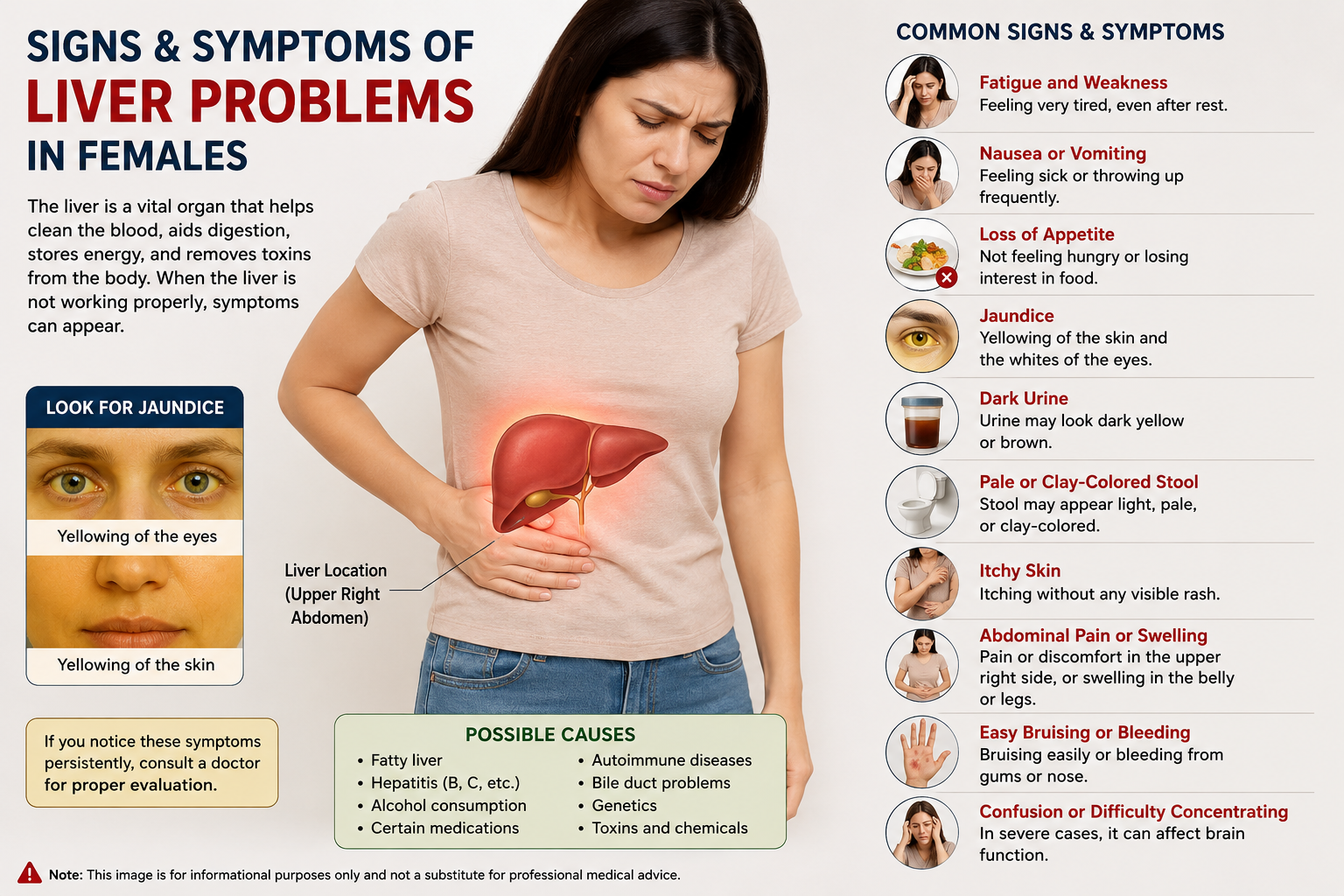
Liver problems can be hard to notice at first. A woman may feel tired, lose her appetite, feel sick after meals, or notice mild pain under the right ribs and still think it’s stress, poor sleep, hormones, or a stomach issue. That’s one reason liver symptoms are easy to miss.
The liver does a lot of quiet work. It helps process nutrients, breaks down harmful substances, supports digestion, stores energy, and makes important proteins. When the liver is inflamed, scarred, infected, or overloaded with fat, symptoms may appear slowly. In some cases, there may be no clear symptoms until the liver has already been damaged. The NHS notes that many types of liver disease do not cause symptoms in the early stages. Symptoms often appear when liver damage has progressed to scarring, called cirrhosis.
This article explains liver problem symptoms in females in simple language. It also covers possible causes, female-specific concerns, warning signs, and safe steps to take.
Medical Disclaimer
This article is for general information only. It is not a replacement for professional medical advice, diagnosis, or treatment. If you have symptoms of liver disease, are pregnant, have severe pain, yellow eyes, confusion, vomiting blood, black stools, or sudden swelling, contact a doctor or seek urgent medical care.
What Are Liver Problems?
“Liver problems” is a broad term. It can include fatty liver disease, hepatitis, cirrhosis, liver inflammation, bile duct problems, alcohol-related liver disease, autoimmune liver disease, genetic liver conditions, and liver failure.
Liver disease can have many causes. Mayo Clinic lists infections such as hepatitis A, hepatitis B, and hepatitis C among common causes of liver inflammation. Liver damage may also be linked with alcohol use, fat buildup in the liver, immune system problems, inherited conditions, certain medicines, toxins, and cancer.
Not every liver problem is the same. Some are mild and manageable with medical care. Others can become serious if ignored. That’s why symptoms should be checked instead of guessed.
Are Liver Problem Symptoms Different in Females?
Most liver problem symptoms are similar in females and males. Yellow eyes, dark urine, pale stool, itchy skin, fatigue, swelling, nausea, and easy bruising can happen in anyone with liver disease. Cleveland Clinic lists jaundice, dark urine, light-colored stool, fatigue, nausea, loss of appetite, unexplained weight loss, itchy skin, swelling, and confusion among symptoms that can appear with liver disease.
In females, symptoms can sometimes be confused with hormonal changes, pregnancy symptoms, period problems, stress, anemia, digestive issues, or normal tiredness. That does not mean every tired woman has a liver problem. It means ongoing or unusual symptoms should be taken seriously, especially when more than one symptom appears together.
Common Liver Problem Symptoms in Females
- Feeling Very Tired or Weak
Fatigue is one of the most common symptoms people mention with liver problems. This is not normal tiredness after a busy day. It may feel like heavy, ongoing exhaustion that does not improve with rest.
The NHS lists feeling very tired and weak all the time as a symptom of cirrhosis. Mayo Clinic also notes fatigue and weakness among symptoms that may occur when cirrhosis becomes more advanced.
Fatigue can have many causes, including low iron, thyroid problems, poor sleep, stress, infection, depression, or vitamin deficiencies. So it should not be used alone to diagnose liver disease.
- Yellow Skin or Yellow Eyes
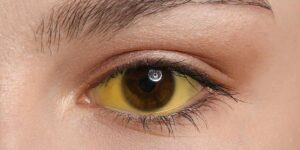
Yellowing of the skin or the whites of the eyes is called jaundice. It can happen when bilirubin builds up in the body. MedlinePlus explains that jaundice is a yellow color of the skin, mucous membranes, or eyes, and it can be a symptom of several health problems.
Jaundice is one of the clearest signs that something may be wrong with the liver, bile ducts, or blood system. If a woman notices yellow eyes, yellow skin, dark urine, or pale stool, she should contact a healthcare professional.
- Dark Urine and Pale Stool
Liver or bile flow problems can change the color of urine and stool. Dark urine may look tea-colored or brown. Stool may become pale, gray, or clay-colored.
MedlinePlus lists changes in stool and urine color among symptoms that can occur with liver disease. Cleveland Clinic also includes dark-colored pee and light-colored poop among liver disease symptoms.
These changes are important because they may suggest trouble with bile processing or liver function. They need medical attention, especially if they appear with jaundice, itching, fever, or abdominal pain.
- Itchy Skin Without a Clear Rash
Itchy skin can happen for many reasons, including dry skin, allergies, eczema, medication reactions, or skin infections. But itching without a clear rash can also happen in some liver and bile duct problems.
The NHS lists itchy skin as a symptom that may occur with cirrhosis. Cleveland Clinic also describes itchy skin without a visible rash as a possible symptom of liver disease.
If itching is severe, ongoing, worse at night, or appears with yellow eyes or dark urine, it should be checked by a doctor.
- Nausea, Loss of Appetite, and Unexplained Weight Loss
Some females with liver problems may feel sick, lose interest in food, or lose weight without trying. These symptoms can also happen with digestive problems, infections, stress, pregnancy, medication side effects, or many other conditions.
Cleveland Clinic lists nausea, loss of appetite, weight loss, and muscle loss among possible liver disease symptoms. The NHS also mentions loss of appetite, weight loss, and feeling or being sick in liver disease related to cirrhosis.
If appetite changes continue for more than a short time, or if weight loss is unexplained, it’s best to get medical advice.
- Pain or Fullness in the Upper Right Belly
The liver sits mainly in the upper right part of the abdomen, under the ribs. Some liver conditions can cause discomfort, pressure, or pain in that area.
Mayo Clinic lists pain in the upper right belly area as a symptom that may occur with acute liver failure. Cleveland Clinic also notes abdominal pain or fullness as a possible symptom in more advanced fatty liver disease.
Pain in this area does not always mean liver disease. Gallbladder problems, muscle strain, acid reflux, ulcers, and other conditions can also cause pain. But if the pain is severe, persistent, or linked with fever, vomiting, jaundice, or swelling, it needs medical care.
- Swelling in the Belly, Legs, Feet, or Ankles
Liver disease can sometimes lead to fluid buildup. This may show as swelling in the belly, legs, feet, or ankles.
MedlinePlus says liver disease symptoms can include swelling of the abdomen and legs. Mayo Clinic lists swelling in the legs, feet, or ankles as a symptom that may occur with cirrhosis.
Sudden swelling, a tight or swollen belly, trouble breathing, or swelling with jaundice should be checked quickly.
- Easy Bruising or Bleeding
The liver helps make proteins involved in blood clotting. When liver function is poor, some people may bruise more easily or bleed more than usual.
The NHS lists bleeding or bruising easily as a symptom of cirrhosis. MedlinePlus also includes easy bruising among possible liver disease symptoms.
Women may also notice heavier bleeding during periods for many different reasons. This does not automatically mean liver disease, but abnormal bleeding should always be discussed with a healthcare professional.
- Confusion, Sleepiness, or Trouble Thinking Clearly
Confusion or unusual sleepiness can be a serious warning sign in advanced liver disease or acute liver failure. Mayo Clinic lists disorientation, confusion, sleepiness, musty or sweet-smelling breath, and tremors among symptoms of acute liver failure.
This is not something to watch at home for days. If someone has yellow eyes, severe illness, confusion, drowsiness, or personality changes, urgent medical help is needed.
Female-Specific Concerns to Know
Period Changes
Some liver conditions may affect hormones and bleeding patterns, but period changes are not a simple or reliable sign of liver disease. A study on vascular liver disease found abnormal menstrual cycles in many women with that specific type of liver condition, but this does not mean every missed or heavy period points to liver disease.
Missed periods, heavy bleeding, spotting, or irregular cycles can happen because of pregnancy, stress, thyroid disease, PCOS, menopause transition, contraception, weight changes, and many other causes. A doctor can help find the reason.
Pregnancy and Liver Symptoms
Pregnancy can make liver-related symptoms more complicated. Nausea, vomiting, itching, swelling, fatigue, and belly discomfort can occur in pregnancy, but they can also appear in pregnancy-related liver conditions.
Cleveland Clinic explains that acute fatty liver of pregnancy can cause nausea, vomiting, upper right abdominal pain, tiredness, feeling unwell, loss of appetite, excessive thirst, jaundice, confusion, or trouble concentrating. It also states that acute fatty liver of pregnancy is a medical emergency that requires prompt treatment.
Pregnant women should not ignore severe itching, yellow eyes, severe vomiting, right upper belly pain, confusion, or sudden swelling. These symptoms should be discussed with a pregnancy care provider urgently.
When Should You See a Doctor?
You should contact a doctor if you notice ongoing fatigue, yellow eyes, dark urine, pale stool, itchy skin without a clear reason, unexplained weight loss, swelling in the belly or legs, frequent nausea, or pain under the right ribs.
Cleveland Clinic advises contacting a provider if you notice yellowing of the skin or whites of the eyes, ongoing fatigue or weakness, swelling in the belly or legs, or unexplained weight loss.
Seek urgent medical help if you have vomiting blood, black tarry stools, severe confusion, extreme sleepiness, severe belly swelling, high fever with shaking chills, or yellow skin with serious illness. NHS guidance for people with cirrhosis lists jaundice, swollen tummy and legs, fever with shivering, tarry black stools, vomiting blood, memory loss, drowsiness, and confusion as red flag symptoms needing immediate medical help.
How Doctors Check for Liver Problems
Doctors do not diagnose liver disease from symptoms alone. They may ask about alcohol use, medicines, supplements, family history, viral hepatitis risk, weight changes, pregnancy, travel, and other health conditions.
Testing may include blood tests called liver function tests, imaging tests, hepatitis tests, and sometimes more specialized tests. MedlinePlus notes that imaging tests and liver function tests can help check for liver damage and diagnose liver disease. Mayo Clinic also explains that treatment depends on the diagnosis, and some liver problems may be treated with lifestyle changes, medicines, surgery, or in severe liver failure, liver transplant.
Safe Lifestyle Tips for Liver Health
These tips are general and should not replace medical care.
Eat a balanced diet with fruits, vegetables, whole grains, and lean protein. Mayo Clinic recommends a healthy diet, cutting down fatty and fried foods, and maintaining a healthy weight to help protect the liver.
Avoid alcohol if you already have liver disease, unless your doctor gives different advice. Mayo Clinic states that people with liver disease should not drink alcohol, even if alcohol was not the original cause.
Do not share needles, razors, or items that may have blood on them. Ask your doctor about hepatitis testing if you may have been exposed. Hepatitis B and hepatitis A can be prevented with vaccination. CDC says vaccination is the best way to prevent hepatitis A and hepatitis B.
Be careful with medicines and supplements. Some medicines, herbal products, and high doses of certain drugs can harm the liver. Always follow the label and ask a healthcare professional if you take multiple medicines or already have liver disease.
Conclusion
Liver problem symptoms in females can be easy to overlook because they may look like stress, digestive trouble, hormonal changes, pregnancy symptoms, or normal tiredness. The most important signs to watch for include ongoing fatigue, yellow eyes, dark urine, pale stool, itchy skin, nausea, loss of appetite, upper right belly pain, swelling, easy bruising, and confusion.
Not every symptom means liver disease, but some signs should never be ignored. Yellow eyes, vomiting blood, black stools, severe confusion, sudden swelling, or serious symptoms during pregnancy need urgent medical attention.
The safest step is simple. If symptoms are unusual, persistent, or getting worse, speak with a qualified doctor. Early testing can help find the cause and guide the right treatment.
Sources Used
NHS, liver disease and cirrhosis symptoms.
Mayo Clinic, liver problems, cirrhosis, acute liver failure, diagnosis, treatment, and prevention.
Cleveland Clinic, liver disease symptoms and acute fatty liver of pregnancy.
MedlinePlus, liver disease symptoms and jaundice.
CDC, hepatitis A and hepatitis B prevention through vaccination.
PubMed, menstrual changes reported in vascular liver disease.
Medical Disclaimer:
This article is for general information only and is not a replacement for professional medical advice, diagnosis, or treatment. Always speak with a qualified doctor or healthcare professional if you have symptoms, are pregnant, have a chronic condition, or need medical guidance.


Who Was Patrick Leno? Jay Leno’s Brother, Military Career, Family, and Legacy

Who Is Nicole Plotzker? Dr. Dre’s Ex-Wife, Children, Divorce Settlement, and Private Life

Who Is Jennifer Hageney? Andrew Shue’s Ex-Wife, Floral Design Career, Sons, and Private Life

Alix Earle Tom Brady Rumors: Dating Timeline, Party Sightings, and What We Know

Who Is Michael Galeotti? Bethany Joy Lenz’s Ex-Husband, Enation Career, Marriage, Daughter, and Private Life

Who Is Aaron Kendrick De Niro? Airyn De Niro’s Family, Identity, Career Goals, and Private Life

Who Is Lee Mack? Not Going Out, The 1% Club, Wife, Comedy Career, and Net Worth

Charlie Sheen Net Worth: How TV Millions, Taxes, and Personal Costs Reshaped His Fortune

Who Is Katherine Sanborn? Stanford Psychiatrist, Phil Hellmuth’s Wife, and Family Life

Who Is Linda Bazalaki? Miss Uganda 1993, Healthcare Career, Marriage, and Life Beyond Pageantry
Who Was Patrick Leno? Jay Leno’s Brother, Military Career, Family, and Legacy
Who Is Nicole Plotzker? Dr. Dre’s Ex-Wife, Children, Divorce Settlement, and Private Life
Who Is Jennifer Hageney? Andrew Shue’s Ex-Wife, Floral Design Career, Sons, and Private Life
Alix Earle Tom Brady Rumors: Dating Timeline, Party Sightings, and What We Know
Who Is Michael Galeotti? Bethany Joy Lenz’s Ex-Husband, Enation Career, Marriage, Daughter, and Private Life
Who Is Aaron Kendrick De Niro? Airyn De Niro’s Family, Identity, Career Goals, and Private Life
Who Is Lee Mack? Not Going Out, The 1% Club, Wife, Comedy Career, and Net Worth
Charlie Sheen Net Worth: How TV Millions, Taxes, and Personal Costs Reshaped His Fortune
Who Is Katherine Sanborn? Stanford Psychiatrist, Phil Hellmuth’s Wife, and Family Life
Who Is Linda Bazalaki? Miss Uganda 1993, Healthcare Career, Marriage, and Life Beyond Pageantry
-

 Celebrity3 months ago
Who Is Tom Burstall? Inside the Career of Australian Film’s Quiet Force
-

 Celebrity3 months ago
List of D List Celebrities: 15 Reality Stars and Pop-Culture Personalities People Still Recognise
-

 Celebrity3 months ago
Ashley Underwood: Her Career, Marriage to Larry David, and Estimated $1 Million Net Worth
-

 Celebrity3 months ago
Hottest Peloton Instructors: 15 Coaches with Style, Energy and Star Power