
Celebrity
Messiah Harris: 7 Powerful Facts Behind His Inspiring Rise as Buddy Red

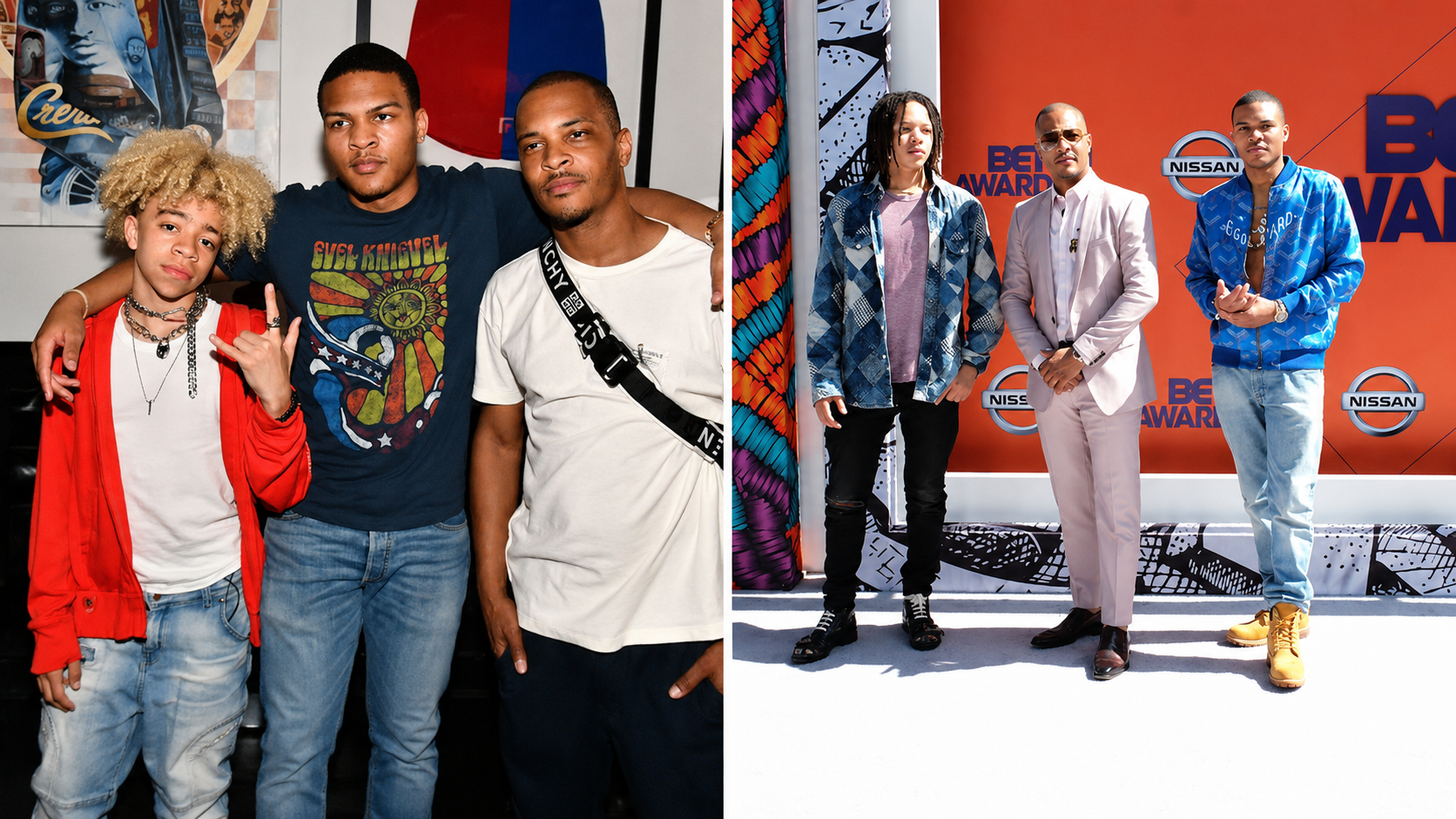
Messiah Harris is widely known as the eldest son of rapper T.I., but his career has developed beyond his famous family connection. He is a blues vocalist, guitarist, live performer, and actor who has chosen a creative direction that differs from the hip-hop and R&B world surrounding his upbringing.
Audiences first saw him on T.I. & Tiny: The Family Hustle, where parts of his childhood and family life appeared on television. As an adult, he began performing under the name Buddy Red and built a sound shaped by blues, rock, psychedelic funk, expressive vocals, and live instrumentation.
This article focuses on Messiah Harris’s personal career choices, original music, acting credits, performances, and developing identity rather than repeating familiar stories about family fame.
Messiah Harris Quick Bio
| Detail | Available Information |
|---|---|
| Full name | Messiah Ya’Majesty Harris |
| Date of birth | February 2, 2000 |
| Age | 26 years old as of July 2026 |
| Birthplace | Atlanta, Georgia |
| Father | Clifford “T.I.” Harris Jr. |
| Mother | Lashon Dixon |
| Stepmother | Tameka “Tiny” Harris |
| Musical name | Buddy Red |
| Profession | Blues musician, guitarist, performer, and actor |
| Known for | Family Hustle, acting roles, and Buddy Red music |
| Notable acting work | The Products of the American Ghetto, The Trap, Sons 2 the Grave |
| Net worth | No authoritative figure confirmed |
Messiah Harris was born to T.I. and Lashon Dixon and became publicly recognizable through his family’s reality television series. He later developed the Buddy Red identity to support his guitar-based music and live performances. His background also includes scripted acting roles, but details about his salary, property, relationships, residence, religion, and personal wealth have not been reliably established.
Who Is Messiah Harris Beyond Being T.I.’s Son?
Messiah Harris entered public life through a famous entertainment family, but his adult identity has increasingly been shaped by his own creative decisions. Rather than automatically following his father into rap, he chose a path centred on guitar playing, expressive vocals, blues storytelling, rock energy, and live performance.
That difference matters because celebrity children are often discussed mainly through their parents. A recognizable surname can create media interest and provide early exposure, but it cannot guarantee musical ability, stage confidence, meaningful songwriting, or a lasting connection with listeners. Those qualities have to be developed through practice, performances, original releases, and consistent work.
Performing as Buddy Red allows Messiah to present himself through a musical style that feels separate from the expectations attached to the Harris family name. His work shows interest in traditional blues influences while also making room for rock, funk, and contemporary presentation.
Messiah should not be reduced to labels such as the quiet child or the different son. Comparisons with relatives may provide context, but they do not explain his complete creative direction. The most useful way to understand Messiah Harris is through his documented acting work, guitar-based music, stage performances, and continuing effort to build an independent public identity.
Growing Up on T.I. & Tiny: The Family Hustle
Messiah Harris first became familiar to television audiences through T.I. & Tiny: The Family Hustle. The VH1 reality series, which aired from 2011 to 2017, followed the Harris family as they balanced parenting, entertainment careers, household responsibilities, and the children’s changing interests. A later family spin-off continued parts of that public story.
Appearing on reality television gave Messiah early experience with cameras and introduced him to viewers long before he began performing as Buddy Red. However, the programme showed selected moments that were shaped through filming and editing. It did not provide a complete record of his childhood, education, private relationships, personality, or creative ambitions.
Scenes recorded when he was young should also not be used to judge the person or artist he became as an adult. Children naturally change as they gain experience, independence, and a clearer understanding of their goals.
The recognition Messiah gained from Family Hustle may have made audiences curious about his later work, but Buddy Red’s musical credibility cannot be treated as an automatic extension of the show. Reality television provided visibility. Developing guitar skills, writing songs, performing live, and building an individual sound required a separate creative effort.
From Messiah Harris to Buddy Red

Buddy Red is more than a casual nickname for Messiah Harris. It represents the musical identity he chose while developing a career centred on blues, guitar playing, expressive vocals, and live performance. The name helps separate his artistic direction from the public expectations connected to his father and the Harris family brand.
In an interview, Messiah explained that he did not want to build his musical brand around someone else’s name. He also indicated that Buddy Red carries a family connection, giving the stage name personal meaning rather than making it a purely commercial invention. His public explanation provides useful context, but private details behind the name should not be expanded beyond what he has chosen to share.
The name Messiah Harris reminds many people of reality television and his relationship with T.I. Buddy Red communicates something different. It places attention on musicianship, blues influences, original songs, and the experience of watching him perform with a guitar.
This stage name can therefore be understood as a form of creative independence and genre positioning. It allows him to enter music on terms shaped by his own interests rather than inherited assumptions. The two names do not represent competing personalities. Messiah reflects his personal history, while Buddy Red is the public expression of the musical future he has chosen.
Why He Chose Blues and Rock Instead of Following T.I.’s Rap Path
Messiah Harris grew up in a family closely connected to hip-hop and R&B, but he did not treat those genres as the only possible direction for his own career. Performing as Buddy Red, he moved toward a guitar-based sound shaped by blues, classic rock, psychedelic music, funk, and the energy of a live band.
His publicly discussed influences include Pink Floyd, Led Zeppelin, The Jimi Hendrix Experience, and James Brown. These artists represent different approaches to performance, from expressive guitar work and experimental production to rhythm, movement, and powerful stage presence. Buddy Red’s music draws from those traditions without simply copying one performer or recreating an older sound.
Growing up around professional musicians may have given Messiah an early understanding of recording, performance, branding, and the demands of an entertainment career. However, familiarity with hip-hop did not require him to become a rapper. Choosing blues and rock allowed him to focus on musicianship, vocals, storytelling, and live instrumentation in a way that better matched his personal interests.
His genre choice should not be framed as rejection of his family or rebellion against T.I. There is no dependable reason to assume conflict behind the decision. It is more accurately understood as creative preference and self-definition. By following his own influences, Messiah Harris created a musical lane that reflects what he wants to perform rather than what audiences might expect from T.I.’s son.
Guitar, Vocals, and the Sound Behind Buddy Red
Buddy Red’s developing sound combines several musical qualities:
- Blues-rooted guitar playing
- Soulful and expressive vocals
- Rock-influenced energy
- Psychedelic and funk elements
- Story-driven songwriting
- Live-band performance style
The guitar is not simply part of Messiah Harris’s visual image. It is central to the way he performs, writes, and presents himself as Buddy Red. Guitar-led arrangements allow him to build songs around riffs, rhythm, tone, and live interaction rather than depending mainly on programmed production.
His vocals carry much of the emotional weight. Instead of focusing only on technical display, he uses phrasing, texture, and controlled intensity to support the stories and moods within the music. Rock energy gives his performances movement, while funk and psychedelic influences create room for groove, experimentation, and a less predictable sound.
Live instrumentation also separates Buddy Red naturally from the rap-focused expectations surrounding his family background. That difference does not make one style more valuable than another. It simply gives him a clearer artistic identity.
It would be premature to describe him as revolutionary or the next blues legend. His catalogue and performance experience are still developing. A more accurate view is that Buddy Red represents a younger artist exploring how blues and rock traditions can be carried into contemporary music without losing their emotional and performance-based foundations.
Songs, Live Sessions, and His Developing Catalogue
Buddy Red’s catalogue is still developing, but each release has helped Messiah Harris define his musical identity more clearly. “You Know” is often mentioned among his earlier singles and introduced listeners to a style built around guitar, expressive vocals, and a blues-influenced approach rather than the rap sound many expected from T.I.’s son.
Later material includes “Sold His Soul,” a song connected to ideas about the music industry, personal identity, and the pressure to remain true to one’s creative direction. Instead of reproducing long lyrics, the song can be understood as part of Messiah’s wider interest in authenticity, independence, and the choices artists face while building a career.
His official music presence has also promoted “1958” and a four-song live session recorded at Blue Rock Studios. These recordings are important because they allow listeners to hear Buddy Red in a setting where guitar tone, vocals, rhythm, and band interaction matter as much as studio production.
Messiah Harris does not yet have a massive discography or a confirmed commercial breakthrough as Buddy Red. His catalogue is better viewed as a gradual process of development. Through singles, studio performances, and live recordings, he is building a clearer sound while giving audiences more reasons to judge the music on its own terms.
Live Performances and the Road to SXSW
Live performance has become an important part of Buddy Red’s developing career. Public reporting places Messiah Harris’s live music debut in November 2022, marking the point when his guitar-based sound moved from private development and recorded material into a public stage setting.
For blues and rock performers, live shows can be just as important as studio releases. They test vocal control, guitar technique, audience connection, improvisation, confidence, and chemistry with other musicians. A strong performance can also help listeners understand the energy behind songs that may sound more controlled in a recorded version.
In 2024, Messiah reportedly travelled from Atlanta to Austin for his first SXSW performances, including an appearance connected with The Shade Room. The trip represented an opportunity to perform before new audiences, meet industry professionals, gain media attention, and develop greater stage experience.
The SXSW appearance should not be described as a guaranteed breakthrough or proof of future commercial success. Its value comes from the exposure and experience it offered. Future concert dates should also be treated carefully because schedules may change, but live performance remains one of the clearest ways Buddy Red can continue building credibility beyond family recognition.
Messiah Harris as an Actor

Acting has been another part of Messiah Harris’s developing entertainment career. His documented screen credits include playing Gee in The Products of the American Ghetto, appearing as a teenager in The Trap, and portraying Jermaine in Sons 2 the Grave. These roles gave him experience beyond the family reality television format that first introduced him to viewers.
Reality television and scripted acting require different skills. On a reality series, a person appears as a selected public version of themselves, with real moments shaped through filming and editing. A film role requires an actor to interpret a character, learn dialogue, respond to direction, understand timing, and work within a structured production schedule.
Messiah’s acting credits show that he has explored more than one creative field, but they do not establish him as a full-time Hollywood actor or major film star. Acting currently appears to be one part of his broader entertainment background, while his Buddy Red music has become the stronger focus of his adult public identity.
It would also be inaccurate to predict whether he will pursue more film roles or step away from acting. His future direction will depend on the opportunities and creative projects he chooses.
Family Influence Without Living in T.I.’s Shadow
Messiah Harris grew up in a family where music, television, performance, and public attention were part of everyday life. His father, T.I., built a major career in hip-hop, while his stepmother, Tiny Harris, has an established R&B background. His mother, Lashon Dixon, and the wider family environment also shaped the personal foundation behind his upbringing.
Being surrounded by entertainers may have helped Messiah understand recording sessions, media attention, stage preparation, and the demands of a creative career. However, it should not be assumed that his relatives manage every song, contract, performance, or professional decision connected to Buddy Red.
T.I. publicly expressed pride in Messiah’s early live performance, showing family support for his musical direction. Even so, Buddy Red’s blues and rock sound, guitar-based presentation, and independent stage name separate his work from the rap path most closely associated with his father.
Family access can create introductions and early visibility, but it cannot guarantee technical skill, audience loyalty, strong songwriting, or long-term credibility. Those qualities require individual practice and consistent work. Messiah’s challenge is not simply escaping T.I.’s shadow. It is giving listeners enough original music and strong performances to recognize Buddy Red as an artist in his own right.
Community Work and Professional Partnerships
Buddy Red’s public profile also includes community involvement and local professional partnerships. His official materials mention work connected with BMW of Atlanta and the Atlanta Hawks, along with participation in the team’s annual Million Meal Pack initiative.
These activities can help Messiah Harris build recognition beyond music and acting. Local partnerships allow an artist to connect with businesses, sports organizations, community groups, and audiences who may not already follow his performances or releases. They can also strengthen his identity as an Atlanta-based creative figure.
However, a public collaboration should not automatically be described as a long-term endorsement deal unless the terms have been officially disclosed. In the same way, participating in a charitable event does not confirm the amount of any private donation or personal financial contribution.
The most accurate way to view these activities is as part of Buddy Red’s growing local reach. They show community participation and professional visibility without providing proof of wealth, major sponsorship income, or permanent corporate agreements.
Messiah Harris Net Worth and Possible Income Sources
Messiah Harris may earn income through several areas connected to his entertainment career. Possible sources include music streaming, digital sales, songwriting royalties, live performance fees, acting payments, merchandise, brand collaborations, and residuals from television or film work.
These are realistic income channels for a musician and actor, but they should not be treated as a confirmed private financial statement. Payment can vary depending on contracts, ownership shares, booking terms, production costs, management fees, taxes, and the success of individual projects.
No authoritative financial publication, legal filing, business disclosure, or verified statement from Messiah has confirmed his exact personal wealth. T.I.’s reported fortune should also not be counted as Messiah Harris net worth. A famous parent, shared family experiences, housing support, gifts, or industry access do not establish personal ownership.
A reliable calculation would require details about Messiah’s savings, assets, royalty rights, contracts, business interests, debts, expenses, and taxes. Since those records are not publicly available, assigning him a precise dollar amount would create a misleading impression of certainty.
Personal Life and the Value of Privacy
Messiah Harris has been visible to the public since childhood, but reliable information about his adult personal life remains limited. Details about his dating history, exact residence, friendships, private beliefs, health, and family disagreements should not be assumed from social media posts or entertainment gossip.
Photographs, captions, and song lyrics can offer small glimpses into a person’s experiences, but they do not confirm a romantic relationship or provide a complete account of private events. A public career does not make every friendship, conversation, or family matter part of the public record.
Because Messiah appeared on television while growing up, choosing greater privacy as an adult should not be described as secrecy or suspicious behaviour. He has the right to decide which parts of his life support his public work and which remain personal.
Information such as relatives’ addresses, phone numbers, workplaces, daily routines, and unrelated family controversies is not necessary for understanding Messiah Harris as an artist. His public profile is better discussed through his music, performances, acting work, and professional partnerships.
What Could Come Next for Buddy Red?
Buddy Red’s future growth will likely depend on consistent releases, stronger songwriting, live touring, festival opportunities, band chemistry, and the development of a full-length project. Building a lasting audience requires more than attracting curiosity through a famous family name. Listeners need enough original music and memorable performances to remain interested over time.
Songs such as “Sold His Soul” and “1958,” along with his SXSW experience and Blue Rock Studios live session, show that Messiah Harris is continuing to shape his sound through both recorded music and live performance. These projects give audiences a clearer understanding of what Buddy Red represents.
His distinctive blues and rock direction may be one of his strongest advantages because it separates him naturally from the hip-hop expectations surrounding his family. The main challenge will be expanding his reach without losing the musical identity that makes him recognizable.
Future awards, chart success, major-label agreements, international tours, or acting roles cannot be predicted. His progress will depend on the quality, consistency, and direction of the work he releases next.
Conclusion
Messiah Harris first became known as T.I.’s eldest son and a member of the Family Hustle cast, but his adult career has moved in a more independent direction. Performing as Buddy Red, he has chosen blues, rock, guitar playing, and live instrumentation instead of following the expected hip-hop path.
His acting roles, original songs, studio sessions, live performances, SXSW appearance, and community partnerships show different parts of a career that is still developing.
The most interesting part of Messiah Harris’s journey is not inherited celebrity. It is his decision to choose his own name, sound, and artistic identity while building credibility through personal work.
Frequently Asked Questions
Who is Messiah Harris?
He is T.I. and Lashon Dixon’s eldest son, as well as a musician, guitarist, performer, and actor.
What is his stage name?
He performs blues and rock music as Buddy Red.
What kind of music does Buddy Red make?
His sound combines blues, rock, funk, psychedelic influences, and live instrumentation.
Was Messiah Harris on Family Hustle?
Yes, he appeared on T.I. & Tiny: The Family Hustle.
Does Messiah Harris play guitar?
Yes. Guitar is a central part of his music and live performances.
Has he acted in films?
His credits include The Products of the American Ghetto, The Trap, and Sons 2 the Grave.
What is Messiah Harris’s net worth?
No authoritative source has confirmed his exact personal wealth.


Who Was Patrick Leno? Jay Leno’s Brother, Military Career, Family, and Legacy

Who Is Nicole Plotzker? Dr. Dre’s Ex-Wife, Children, Divorce Settlement, and Private Life

Who Is Jennifer Hageney? Andrew Shue’s Ex-Wife, Floral Design Career, Sons, and Private Life

Alix Earle Tom Brady Rumors: Dating Timeline, Party Sightings, and What We Know

Who Is Michael Galeotti? Bethany Joy Lenz’s Ex-Husband, Enation Career, Marriage, Daughter, and Private Life

Who Is Aaron Kendrick De Niro? Airyn De Niro’s Family, Identity, Career Goals, and Private Life

Who Is Lee Mack? Not Going Out, The 1% Club, Wife, Comedy Career, and Net Worth

Charlie Sheen Net Worth: How TV Millions, Taxes, and Personal Costs Reshaped His Fortune

Who Is Katherine Sanborn? Stanford Psychiatrist, Phil Hellmuth’s Wife, and Family Life

Who Is Linda Bazalaki? Miss Uganda 1993, Healthcare Career, Marriage, and Life Beyond Pageantry
Who Was Patrick Leno? Jay Leno’s Brother, Military Career, Family, and Legacy
Who Is Nicole Plotzker? Dr. Dre’s Ex-Wife, Children, Divorce Settlement, and Private Life
Who Is Jennifer Hageney? Andrew Shue’s Ex-Wife, Floral Design Career, Sons, and Private Life
Alix Earle Tom Brady Rumors: Dating Timeline, Party Sightings, and What We Know
Who Is Michael Galeotti? Bethany Joy Lenz’s Ex-Husband, Enation Career, Marriage, Daughter, and Private Life
Who Is Aaron Kendrick De Niro? Airyn De Niro’s Family, Identity, Career Goals, and Private Life
Who Is Lee Mack? Not Going Out, The 1% Club, Wife, Comedy Career, and Net Worth
Charlie Sheen Net Worth: How TV Millions, Taxes, and Personal Costs Reshaped His Fortune
Who Is Katherine Sanborn? Stanford Psychiatrist, Phil Hellmuth’s Wife, and Family Life
Who Is Linda Bazalaki? Miss Uganda 1993, Healthcare Career, Marriage, and Life Beyond Pageantry
-

 Health3 months ago
Liver Problem Symptoms in Females, Early Signs, Warning Signs, and When to See a Doctor
-
 Celebrity3 months ago
Who Is Tom Burstall? Inside the Career of Australian Film’s Quiet Force
-

 Celebrity3 months ago
List of D List Celebrities: 15 Reality Stars and Pop-Culture Personalities People Still Recognise
-
 Celebrity3 months ago
Ashley Underwood: Her Career, Marriage to Larry David, and Estimated $1 Million Net Worth